

Written by:
Published on:
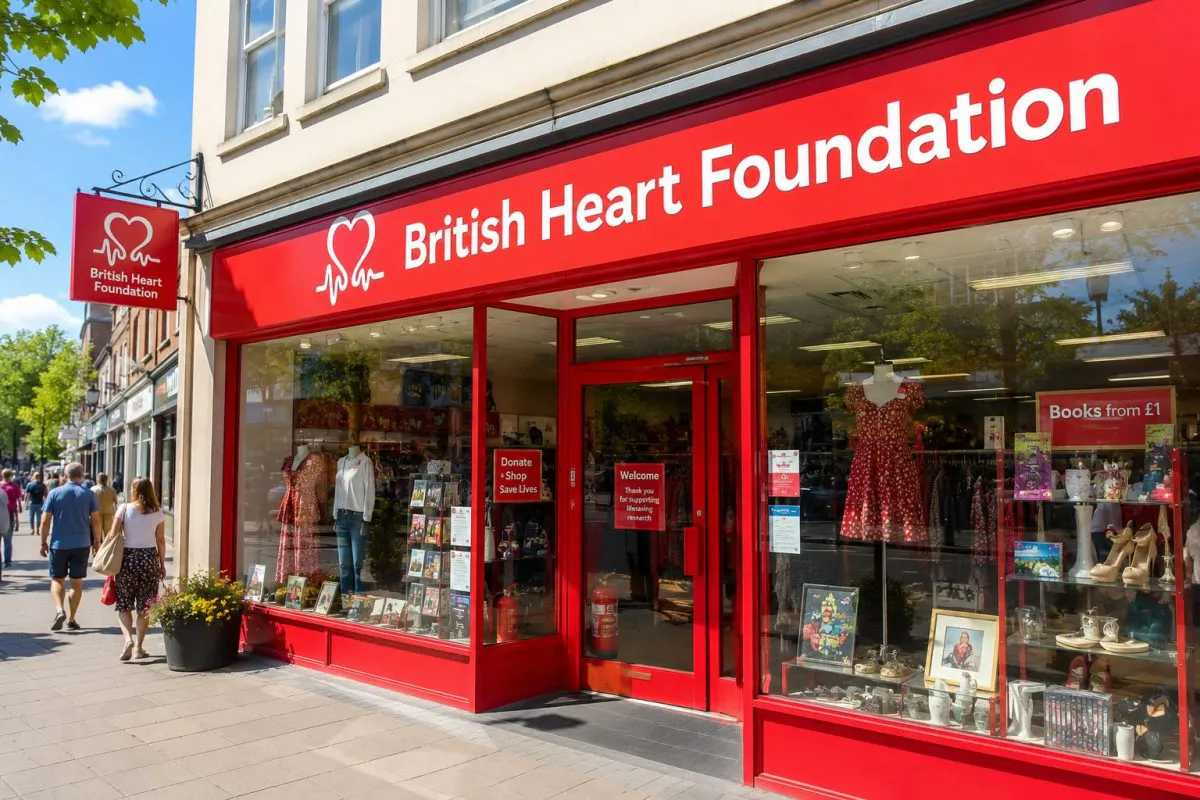
The British Heart Foundation's decision to downsize its brick-and-mortar footprint reflects a broader structural adjustment reshaping the entire UK retail sector. For decades, charity shops occupied a unique, somewhat protected niche on the British high street, benefiting from business rates relief and a steady supply of donated inventory. However, the BHF's review indicates that even these advantages are no longer enough to insulate physical stores from the combination of soaring operating costs and rapidly shifting consumer habits.
As part of the downsizing, BHF will also reduce the central corporate teams that support its retail arm. While the charity has not yet released the specific list of affected locations, the strategy moves the organisation away from saturated town centres and heavier fixed-cost operations. Instead, the charity is shifting resources toward its evolving online retail channels, including its proprietary website and eBay storefronts, to capture the modern donor and shopper demographic.
The pressures forcing BHF to retreat are the exact same catalysts driving commercial businesses onto the Administration List in record numbers in 2026:
From an insolvency and restructuring perspective, when major charity networks like BHF and Cancer Research UK collectively pull back from nearly 340 high street units, it triggers a major secondary effect across the commercial property sector.
Charity shops have long been the tenant of last resort for landlords struggling to fill empty units. With BHF vacating 150 sites, commercial property owners are losing stable occupiers who at least covered basic building maintenance and partial rates. As legal experts noted during the Las Iguanas lease renegotiations, landlords will face a stark choice: drastically lower their rent expectations to keep units occupied, or allow spaces to sit empty and face ongoing financial liabilities.
The physical retail model is not entirely dead; rather, it is mutating. Cancer Research UK’s strategy of closing 190 high street shops while opening 12 out-of-town superstores highlights where the sector is going. Retailers are consolidating multiple small, inefficient town-centre units into large, accessible destination stores that offer lower rent per square foot, better parking, and higher volume capacity.
For investors monitoring market opportunities, the contraction of major charitable retail estates creates highly specific avenues for acquisition and expansion.
Key Acquisition Opportunities
Is the British Heart Foundation entering business administration? No. BHF's overall financial position remains healthy, with strong fundraising and legacy income. This is a solvent, proactive retail portfolio restructuring aimed at protecting their research funding from loss-making property liabilities.
When will the list of store closures be made public? The charity will publish the specific locations on its website in phases, immediately after the affected store staff and colleagues have been formally notified.
Why are out-of-town superstores performing better than high street shops? Superstores offer significantly lower operating costs per square meter, easier logistics for stock donations, and a better shopping experience for consumers who prefer to drive to retail destinations rather than navigate declining town centres.
How can commercial retailers exploit these charity closures? The exit of a major brand like BHF can reduce footfall on specific secondary high streets, potentially triggering a "domino effect" of further retail insolvencies in those locations. Savvy buyers can use this data to identify areas where commercial landlords will be most desperate to negotiate low-cost, flexible tenancy agreements.
To stay on top of such trends and make the most of distressed acquisition opportunities, stay tuned to Administration List.