

Las Iguanas’ Restructuring and UK Hospitality Insolvencies in May 2026
Written by:
Published on:
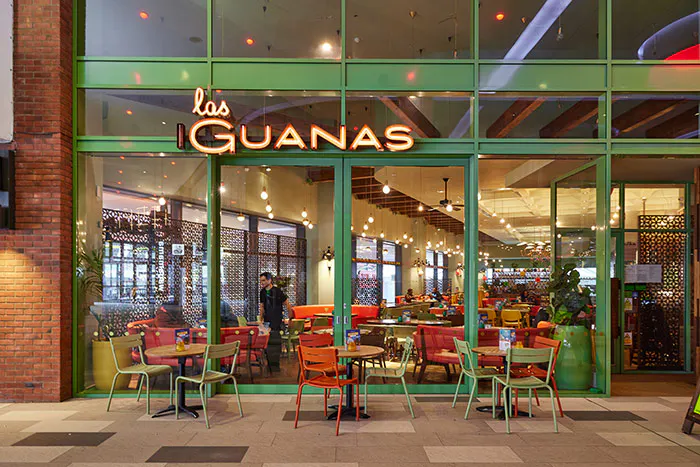
On 7 May 2026, the High Court granted Las Iguanas permission to advance a restructuring plan that would write off approximately £37 million in loan note debt and renegotiate lease terms across its 44 UK restaurants. The creditor vote is scheduled for 28 May. A sanction hearing follows on 5 June. If the plan fails, the company's own lawyers told the court, Iguanas Holdings would have no choice but to enter administration.
Las Iguanas is not collapsing. But it is also not an anomaly. It is one of the most visible data points in a sector-wide adjustment that is reshaping the UK hospitality landscape in real time and generating a growing pipeline of distressed opportunities for investors and acquirers who know where to look.
Before examining what the Las Iguanas situation means structurally, it helps to understand the scale of what is happening across the sector.
As per the data tracked on Administration List, Britain lost approximately 3 pubs and restaurants per day in Q1 2026. Experts predict that this closure rate could accelerate to almost double across Q2 and Q3 2026 as businesses continue absorbing rising costs across business rates, National Insurance contributions, and energy bills.
Casual dining, the precise segment Las Iguanas occupies, has been the hardest hit. Outlet numbers in casual dining fell 0.9% in just three months in early 2026. That is not a rounding error. That is structural contraction at pace.
Las Iguanas was founded in Bristol in 1991. It joined what was then Casual Dining Group in 2015, the same group that rebranded as Big Table Group after being acquired by private equity firm Epiris following the first Covid lockdown. As recently as 2021, the same CEO who is now managing a restructuring plan was announcing a £50 million expansion strategy designed to almost double the Las Iguanas estate.
That context matters. This is not a brand that was mismanaged into the ground. It is a brand that was aggressively grown during a period of optimism on lease terms agreed when footfall was higher, wage costs were lower, and consumer spending on food and drink was more robust. The restructuring plan is, at its core, an attempt to bring the cost structure of 2021-era leases into alignment with the economic reality of 2026.
Big Table Group has stated that the plan concerns only Las Iguanas Holdings, the entity that holds the property leases and not the operating business, which continues to employ staff and trade normally across all sites. The £3 million capital injection from Big Table is framed as part of a genuine turnaround strategy, not a prelude to wind-down.
But the legal language used in the High Court filing is unambiguous. Without the plan, Iguanas Holdings would "simply run out of money." The company lost nearly £10 million in its 2025 financial year. Its pre-tax loss for the year ended October 2024 was £3.4 million. The trajectory is clear.
Big Table Group attributed Las Iguanas' financial pressure to reduced discretionary spending and declining alcohol consumption among its core 18–35 demographic. This is accurate, but it is only part of the picture. The hospitality sector has absorbed billions in tax rises across the last two Budgets, according to UKHospitality. The April 2026 changes alone stacked several compounding pressures onto operators simultaneously:
Employer National Insurance contributions rose significantly, adding materially to payroll costs for a sector that employs around 2.6 million people across the UK.
Business rates relief for hospitality was cut from 75% to 40%, landing the sector with an estimated £215 million in additional tax bills, representing a 140% increase in average pub business rates.
Energy costs remain structurally elevated following geopolitical disruption, with no near-term relief expected for energy-intensive kitchen operations.
Alcohol duty was uprated with the retail price index from the start of 2026, causing a direct hit to the wet-led casual dining model that Las Iguanas operates.
Las Iguanas is, relative to the sector, a large and well-capitalised operator. That it is restructuring at all tells you something significant about the conditions facing businesses operating without Big Table Group's resources behind them.
One of the least-reported dimensions of the Las Iguanas story is what the lease renegotiation element reveals about the wider property market and the UK’s real estate sector.
The restructuring plan is specifically targeting revised rental terms with landlords across the chain's 44-site estate. These are leases agreed when trading conditions were stronger: higher footfall, lower operating costs, more robust consumer spending. As Kristine Ng of law firm Morr & Co observed in commentary on the Las Iguanas case, "many restaurant leases were agreed when trading conditions were stronger, and today fixed rent levels can sit uncomfortably against changing consumer habits, higher operating costs and softer footfall."
This is not a problem unique to Las Iguanas. It is a structural misalignment between lease obligations agreed in 2018–2022 and the commercial reality of 2026. Across the sector, landlords and operators are navigating the same tension. In other words, the incentive structure now favours negotiated restructuring over insolvency for both sides. Las Iguanas is simply the highest-profile current example of an exercise that is happening, less visibly, across hundreds of hospitality sites nationally.
The Las Iguanas restructuring may succeed. The creditor vote on 28 May could clear the required 75% threshold, the sanction hearing on 5 June could confirm the plan, and the brand could stabilise under revised lease terms with a £3 million injection of fresh capital.
But many operators in the same structural position do not have a well-capitalised private equity-backed parent. When the restructuring plan is not available or fails, administration follows. That is the reality that the data reflects at sector level.
For investors and acquirers tracking the hospitality market, the current environment is producing a consistent pipeline of genuinely viable businesses reaching distress for situational, not structural, reasons. Sound brands with loyal customer bases, experienced staff, and established supply chains, caught by lease obligations or cost structures that were sustainable in 2021 but are not in 2026.
The key acquisition insight from Las Iguanas is this: the asset (the brand, the customer base, the operational capability) and the liability (the lease structure, the debt) are separable. An administration process or asset sale strips out the legacy cost burden and allows a buyer to acquire the former without inheriting the latter.
Hospitality businesses with identifiable goodwill, i.e known brands, strong locations, retained staff — acquired at distressed valuations represent some of the most compelling opportunities in the current market. The challenge, as always, is finding them early enough to compete.
Administration List will be tracking any developments in real time.
The Las Iguanas situation is receiving national press coverage. Most hospitality insolvencies do not.
The businesses currently appearing on live insolvency lists across the UK include restaurants, pub groups, hotel operators, and catering businesses at every stage of distress: administrations, creditors' voluntary liquidations, and winding-up petitions. Many of these will be resolved quietly, through pre-pack administrations or asset sales, without appearing in any national publication.
The subscribers who identify these opportunities earliest and position themselves with administrators before the competitive process opens up are the ones who consistently win the best assets at the most favourable prices.
If you're monitoring the UK hospitality insolvency market for acquisition opportunities, the following may be useful: