

Thames Water Seeks Urgent £2.4bn Cash Injection to Avert Immediate Collapse
Written by:
Published on:
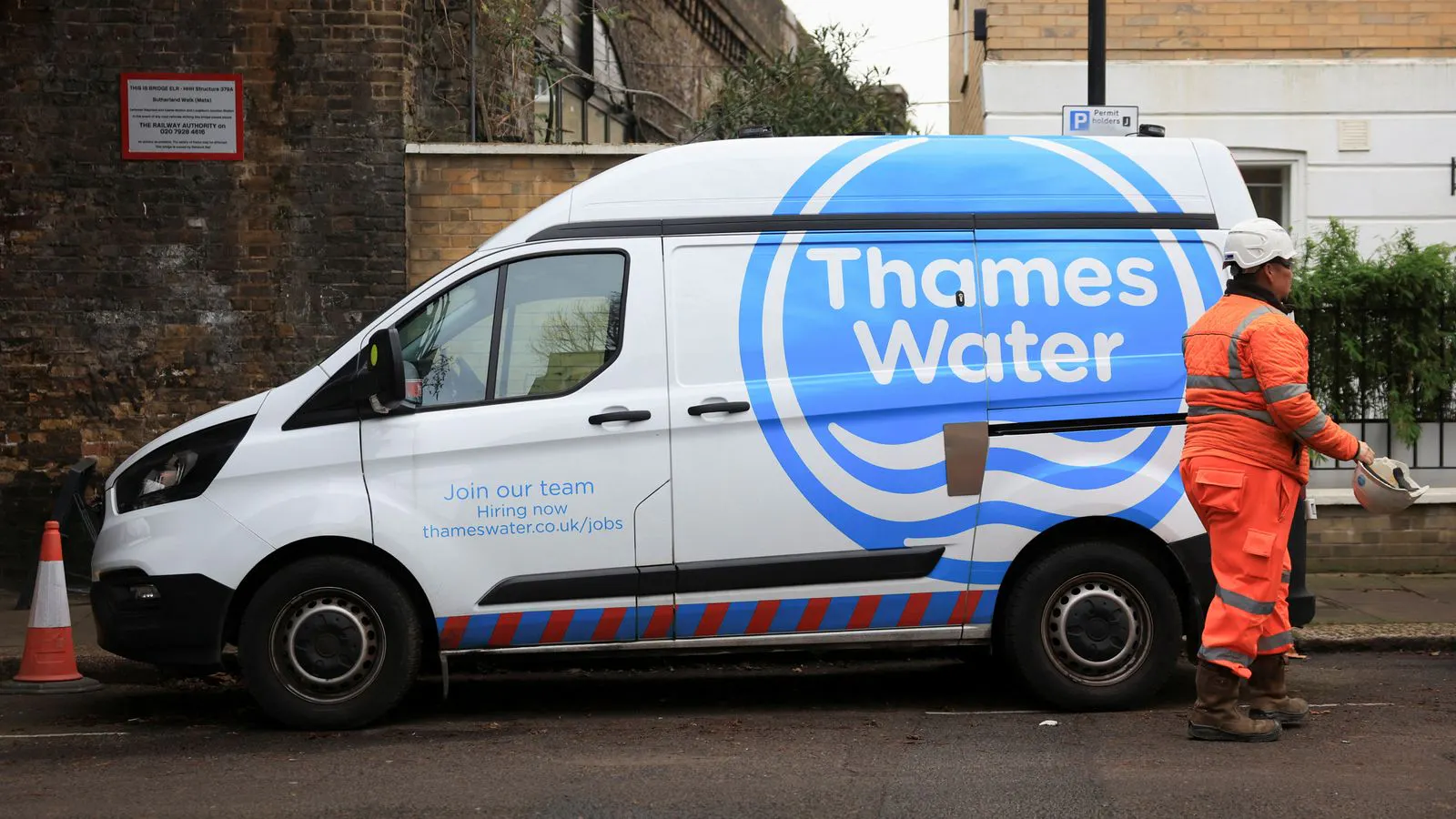
Thames Water, the UK’s largest water utility serving 16 million customers, has requested an additional £2.4 billion short-term cash injection from creditors to avoid running out of money by late 2026 or early 2027.
Thames Water operates as a regional monopoly delivering water and wastewater services across London and the Thames Valley. Originally leveraged heavily under private equity ownership models, the business reached a breaking point as high interest rates, expensive infrastructure repairs, and mounting environmental penalties rendered its capital structure unviable.
The utility is currently controlled by a creditor group known as London & Valley Water, led by US hedge funds Elliott Management and Silver Point Capital alongside institutional asset managers BlackRock and M&A. While these creditors have drafted restructuring proposals involving a £9.6 billion debt write-off, implementation remains stalled due to regulatory standoffs over Ofwat penalty frameworks and broader political hesitation around water nationalisation.
The Thames Water saga represents a textbook case of structural debt overhang intersecting with regulatory paralysis.
In high-stakes restructuring, when primary equity holders walk away and senior lenders assume operational control, a business is effectively running on borrowed time. The request for £2.4 billion isn't a growth play; it is a defensive liquidity bridge designed to buy time while junior and senior debt classes battle over hair-cuts. In standard commercial insolvencies, an unsustainable £20 billion debt stack would trigger a swift pre-pack or trading administration. However, when an asset is a critical national monopoly, standard insolvency rules collide with public policy.
Thames Water demonstrates two fundamental principles of distressed M&A:
The immediate cash crunch stems from a combination of operational and political factors:
For institutional investors, debt funds, and secondary market buyers monitoring the Administration List, the ongoing distress at Thames Water highlights high-yield secondary plays.
Secondary debt markets in utility restructuring offer steep discount opportunities. Lenders seeking to exit their positions ahead of a potential Special Administration will liquidate debt tranches at deep haircuts. Experienced distressed debt buyers can acquire these claims to gain a seat at the creditor table during subsequent debt-for-equity conversions.
Find the latest businesses in distress seeking turnaround specialists.
A utility under severe cash constraints must preserve core operational assets while spinning off non-core engineering, technology, or land assets. Turnaround buyers can target auxiliary service contracts, specialized fleet management, and sub-contracted maintenance infrastructure that Thames Water may seek to divest to raise immediate liquidity.
What is a Special Administration Regime (SAR)? A Special Administration Regime is a statutory insolvency process used for essential public utilities (like water or energy providers). Instead of prioritizing immediate creditor recovery, a government-appointed administrator operates the company to ensure uninterrupted public service while preparing the asset for restructuring or transfer to a new owner.
Will Thames Water customers experience service disruptions during administration? No. Under UK insolvency law and SAR frameworks, the continuity of public water supply and wastewater management is legally guaranteed regardless of corporate debt defaults or ownership changes.
Why are creditors willing to inject another £2.4bn into a loss-making business? Senior creditors provide short-term emergency liquidity facilities to prevent an immediate, unmanaged insolvency or government takeover, which would severely impair the valuation of their existing £20 billion debt holdings.