
Pagazzi Lighting Insolvency: Lessons for Distressed Retail Buyers
Written by:
Published on:
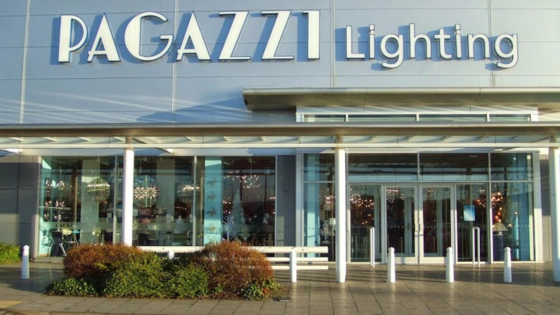
Pagazzi Lighting Limited was a Glasgow-based lighting retailer specializing in decorative lighting products for residential and commercial customers. Founded in Scotland, the company developed a reputation as one of the UK’s largest independent lighting retailers, offering chandeliers, ceiling lights, outdoor lighting, and modern lighting fixtures.
The company operated a hybrid retail model, combining physical showrooms with a nationwide e-commerce platform. Its digital channel allowed Pagazzi to reach customers across the UK beyond its Scottish retail footprint. This multi-channel approach helped the business remain competitive during the rise of online home-improvement shopping.
Like many mid-market retail businesses, Pagazzi’s financial performance became increasingly vulnerable in the years following the pandemic. Although the home improvement sector saw a temporary boost during lockdown periods, the post-pandemic economic environment placed pressure on retailers reliant on discretionary spending.
Rising supply chain costs, inflation in product sourcing, and energy costs for showroom operations gradually eroded margins. At the same time, competition from large online marketplaces and discount lighting suppliers intensified price pressure across the sector.
By the time insolvency proceedings began, Pagazzi was operating in an environment where cost increases outpaced consumer demand, making profitability increasingly difficult to maintain.
Pagazzi Lighting ultimately entered administration after failing to stabilize its financial position amid ongoing retail sector challenges.
Administrators were appointed to oversee the company’s restructuring or potential asset sale. Administration is a formal insolvency process designed to protect creditors while exploring options to rescue the business, sell its assets, or achieve a better outcome than liquidation.
In cases like Pagazzi, administrators typically evaluate several restructuring pathways, including:
The goal of the administration process is to preserve as much value as possible for creditors while determining whether parts of the business can continue operating under new ownership.
Several structural and macroeconomic factors contributed to Pagazzi Lighting’s financial difficulties.
1. Declining Retail Footfall
Physical retail showrooms across the UK have experienced declining foot traffic as consumers increasingly shop online. For specialist lighting retailers, which rely on showroom experiences, this shift significantly reduces in-store sales.
2. Rising Operating Costs
Energy costs for retail spaces and warehouses surged in the UK during the past few years. Combined with higher rent and wage pressures, this created a substantial cost burden for brick-and-mortar retailers.
3. Increased Online Competition
Major e-commerce platforms and global lighting suppliers introduced aggressive pricing strategies, making it difficult for mid-sized retailers like Pagazzi to compete on price while maintaining margins.
4. Weak Consumer Spending
Lighting products fall into the discretionary home-improvement category, meaning purchases often decline during periods of economic uncertainty. Inflation and higher household costs reduced consumer spending across this segment.
For investors and strategic buyers tracking UK retail insolvencies, the Pagazzi Lighting case highlights several key lessons.
1. Niche Retail Brands Still Hold Value
Even distressed retailers can possess valuable brand equity and customer recognition within specific product categories.
2. E-commerce Infrastructure Can Be a Key Asset
If Pagazzi’s online platform remains operational, it could represent a scalable digital channel for buyers looking to expand into home improvement retail.
3. Supplier Relationships Matter
Established supply chains and wholesale agreements may provide immediate sourcing advantages for acquiring firms.
4. Retail Turnaround Opportunities
Strategic buyers could restructure store portfolios by closing unprofitable showrooms while focusing on online sales and high-performing locations.
Distressed acquisitions often allow investors to acquire established brands at a significant discount compared with building a retail presence from scratch.
Why did Pagazzi Lighting go into administration?
Pagazzi faced a combination of rising operating costs, declining showroom footfall, and increased competition from online retailers, which ultimately strained profitability.
Are distressed retail brands still valuable acquisitions?
Yes. Retail brands with established recognition, e-commerce infrastructure, and supplier networks can present attractive turnaround opportunities.
What assets might attract buyers in the Pagazzi case?
Key assets may include the brand name, online store, customer database, supplier contracts, and remaining retail locations.
Is the UK home-improvement retail sector still attractive?
Despite economic challenges, the sector continues to generate demand, particularly through online channels and specialized product niches.
How can investors identify similar opportunities?
Platforms such as Administration List track administration appointments, liquidation notices, and distressed M&A opportunities across UK sectors including retail, hospitality, and manufacturing.