
Overtone Brewing Company Administration: What Distressed Buyers Should Know
Written by:
Published on:
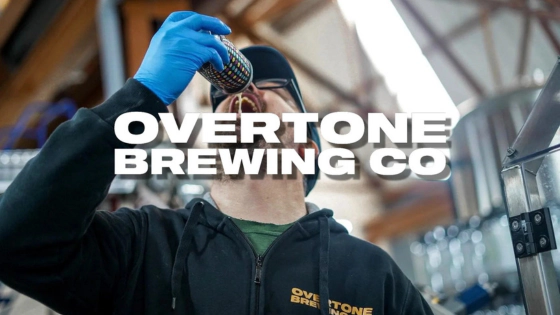
Founded in Glasgow in 2018, Overtone Brewing Company quickly built a reputation for hop-forward IPAs and experimental small-batch releases. Operating from an industrial unit with an on-site taproom, the brewery became known for limited-edition cans distributed across Scotland and selected UK stockists.
The business model combined:
However, like many independent breweries, Overtone operated within tight margins. Craft breweries typically face:
While specific financial details disclosed through the administration process are limited, industry benchmarks suggest small UK craft breweries often operate on EBITDA margins below 10%, leaving limited buffer against cost shocks.
Overtone Brewing Company entered administration following sustained financial strain across the UK hospitality and beverage sector. Administrators were appointed to assess options including:
As seen in other UK hospitality restructurings , administration can function as a structured reset—allowing viable components of a distressed business to be sold free of legacy debt.
For Overtone, this likely includes:
The collapse of Overtone Brewing Company reflects broader structural challenges in the UK craft beer industry:
1. Rising Energy Costs
Brewing is energy-intensive. Post-2022 energy price volatility significantly increased operating overheads for independent producers.
2. Excise Duty and Taxation
Alcohol duty reforms and cost adjustments have reduced margin flexibility, particularly for small-volume producers without national scale.
3. Inflation & Consumer Pullback
Cost-of-living pressures across the UK reduced discretionary spending on premium craft beer products, especially in taproom environments.
4. Overcapacity in Craft Beer
The UK experienced rapid growth in independent breweries over the past decade. Increased competition led to pricing pressure and stockist fatigue.
5. Wholesale Margin Compression
Bars and retailers—also under pressure—negotiated tighter margins, squeezing smaller breweries further.
In short, Overtone faced a “margin squeeze” similar to wider hospitality restructurings where rising fixed costs outpaced revenue growth .
For strategic and distressed asset buyers, Overtone presents several key lessons:
1. Brand Equity Can Outlive the Balance Sheet
Overtone built strong brand recognition in the craft segment. Acquiring the IP and customer database may offer more value than physical assets alone.
2. Evaluate Taproom Economics Separately
Direct-to-consumer sales typically provide the highest margins. Buyers should model taproom profitability independently from wholesale distribution.
3. Equipment Depreciation Advantage
Brewing equipment purchased during the craft boom may now be available below replacement cost, improving capital efficiency for acquirers.
4. Consolidation Strategy
Larger regional breweries could integrate Overtone’s brand into existing production facilities, eliminating redundant overhead and improving margin performance.
5. Due Diligence Focus Areas
Supplier contracts
Lease obligations
Duty liabilities
Stock write-downs
Online subscriber database value
Administration often provides a clean entry point without historic debt exposure—an increasingly common M&A pathway in the UK food and beverage space.
Is the Overtone brand still valuable post-administration?
Yes. Craft beer is highly brand-driven. If consumer loyalty remains intact, the brand may be more valuable than the physical plant.
Would acquiring the taproom lease be advisable?
Only if footfall data and unit economics justify continued operation. Many buyers may opt for a brand-only acquisition.
Is this part of a broader UK craft brewery downturn?
Yes. Rising costs and weaker consumer demand have led to multiple closures across the independent brewery market since 2023.
What type of buyer is best positioned?
How can buyers find similar distressed hospitality assets?
Monitor real-time administration appointments and winding-up petitions through Administration List’s Hospitality & Leisure coverage.