
Veeno Bars Collapse: What the Hospitality Sector Can Learn from the Latest Administration Wave
Written by:
Published on:
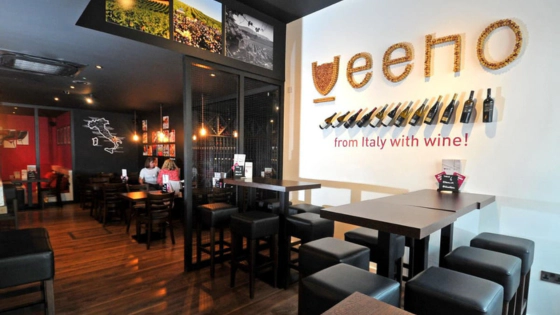
Veeno Bars operates within the UK’s casual dining and wine bar segment, offering an Italian-inspired experience centred around wine tasting, food pairings, and social dining. The brand positioned itself as a premium yet accessible hospitality concept, targeting urban professionals and experiential consumers.
Like many mid-sized hospitality operators, Veeno’s growth model relied heavily on physical locations in high-footfall city centres. While this supported brand visibility, it also exposed the business to high fixed costs, including rent, staffing, and utilities.
Although detailed financials may vary by site and period, the broader picture aligns with industry patterns: tightening margins, increasing cost bases, and declining profitability. These challenges were compounded by reduced consumer spending and inflationary pressures across the UK economy.
Veeno Bars’ financial distress reflects a wider trend of hospitality businesses entering administration or restructuring due to unsustainable cost pressures. Across the sector, insolvency processes are increasingly being used as strategic tools to restructure operations, shed liabilities, or facilitate acquisitions.
Recent cases—such as the administration of Revolution Bars’ parent company—highlight how insolvency can lead to a split-sale model, where viable assets are sold while underperforming sites are closed.
In Veeno’s case, the outcome signals similar stress points: a business model challenged by macroeconomic factors rather than a lack of brand appeal. This distinction is critical for buyers evaluating distressed opportunities.
The collapse of Veeno Bars can be attributed to a combination of structural and macroeconomic factors affecting the hospitality industry:
1. Rising Operating Costs
Energy bills, supplier costs, and wage increases have significantly eroded profit margins. Similar to other operators, increased labour costs and taxation have made it difficult to maintain profitability.
2. Changing Consumer Behaviour
Post-pandemic, consumer spending habits have shifted. The traditional “big night out” model has declined, with customers opting for more cost-conscious or experience-driven alternatives.
3. High Fixed Cost Base
City-centre locations—once a competitive advantage—became a liability during periods of reduced footfall. Long-term leases and high rents limited operational flexibility.
4. Liquidity Constraints
Like many hospitality businesses, Veeno likely faced a liquidity squeeze, where cash flow challenges made it difficult to service debt and sustain day-to-day operations.
These factors closely mirror the “perfect storm” described in wider industry failures, where cost inflation and reduced demand converge to create unsustainable conditions.
1. Brand Value vs. Corporate Structure
Distressed hospitality businesses often retain strong brand equity even when the underlying company fails. Buyers should assess brand strength independently of financial distress.
2. Location Portfolio Matters
Prime locations can be highly valuable, but only if aligned with current consumer demand. Buyers should prioritise flexible lease structures and high-performing sites.
3. Administration as an Entry Strategy
Insolvency processes provide a unique opportunity to acquire assets without legacy debt. This “reset button” approach is increasingly common in hospitality M&A.
4. Cost Sensitivity is Critical
Future operators must build models that are resilient to cost shocks, particularly in labour, energy, and supply chains.
5. Sector Consolidation is Accelerating
Well-capitalised groups are actively acquiring distressed assets, signalling continued consolidation across the hospitality and leisure sector.
For more opportunities like this, explore distressed assets via the Administration List acquisition search page.
Is Veeno Bars still a viable acquisition target?
Yes—depending on the structure of the insolvency process, individual sites or the brand itself may present strong acquisition opportunities, particularly for buyers with operational expertise.
Why are hospitality businesses struggling so frequently?
The sector is facing a combination of rising costs, changing consumer behaviour, and post-pandemic financial strain, making it one of the most vulnerable industries in the UK.
What type of buyers are acquiring distressed hospitality assets?
Typically, these include private equity firms, multi-brand hospitality operators, and industry specialists looking to expand portfolios at reduced valuations.
Is now a good time to invest in hospitality?
For strategic buyers with capital and operational efficiency, current market conditions present strong opportunities to acquire undervalued assets.
Where can I find similar distressed opportunities?
Visit the Administration List Hospitality & Leisure section for real-time updates on administration filings, distressed assets, and acquisition opportunities.