
The Ark Pet Centres Collapse: A Case Study in Retail Fragility and Hidden Value
Written by:
Published on:
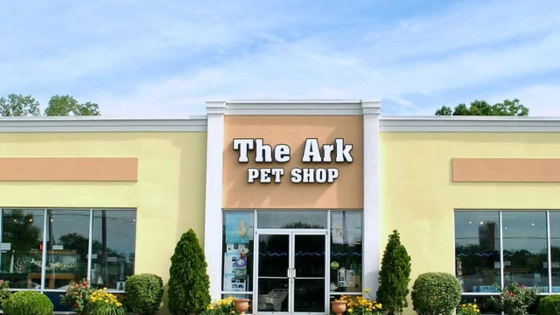
The Ark Pet Centres was a well-established independent pet retail chain operating across Devon for nearly three decades. Its model combined traditional pet retail (food, accessories, livestock) with advisory services—positioning the business as a community-led specialist retailer rather than a commoditised seller.
At its peak, the company operated multiple locations and employed around 50+ staff, indicating a stable mid-tier retail footprint. However, financial indicators from associated entities reveal a more fragile underlying position: modest net assets, relatively high leverage, and weakening liquidity.
This is a classic profile of a “stable but thin-margin retailer”—a business that appears operationally sound but lacks the financial buffer to absorb macroeconomic shocks.
The Ark Pet Centres ceased trading in April 2026, shutting all remaining stores. Notably, this was not a high-profile administration with a structured sale process—it was a rapid operational shutdown following prolonged pressure.
This distinction matters.
Unlike formal administrations where value is preserved through controlled processes, abrupt closures often lead to:
For buyers, this shifts the opportunity from “going concern acquisition” to “asset-led recovery play.”
1. Structural Cost Inflation vs Fixed Retail Model
The Ark’s downfall wasn’t caused by a single shock—it was the cumulative effect of rising rent, energy, and supplier costs colliding with a largely fixed-cost store network.
Physical retail, especially multi-site operations, struggles to scale down quickly. When margins tighten, profitability doesn’t gradually decline—it drops off sharply.
2. Margin Compression in a Hybrid Market
The pet retail sector sits in an uncomfortable middle ground:
This creates a squeeze where businesses must maintain service costs while competing on price, a structurally difficult position unless differentiated at scale.
3. Weak Financial Shock Absorption
The company’s financial profile suggests limited reserves and relatively high debt exposure. This reduces the ability to:
In essence, the business lacked financial resilience, not just profitability.
4. Gradual Decline, Not Sudden Failure
Preceding closures and related entity liquidations indicate that distress was progressive, not sudden.
For buyers, this is a critical signal: the best opportunities often exist before the final collapse, when brand equity and operational continuity are still intact.
1. Retail value has shifted from physical to intangible assets
Inventory depreciates quickly in distress scenarios. However, The Ark’s real value likely sits in:
Buyers should prioritise these over physical stock.
2. Timing determines deal quality
Pre-insolvency or early-stage distress acquisitions allow buyers to retain:
Post-closure deals, like this one, require rebuilding these from scratch—raising turnaround costs significantly.
3. Community positioning is monetisable—but only if digitised
The Ark succeeded as a local, advice-led retailer. However, without strong digital integration (e-commerce, subscriptions, CRM), that advantage remains geographically limited.
A buyer could unlock value by digitising an already trusted offline brand.
4. Fixed-cost retail models need structural redesign
Multi-store formats are increasingly risky unless:
This case reinforces the importance of operational agility over scale.
5. Distress often hides “good businesses with bad structures”
The Ark wasn’t necessarily a bad business—it was a good concept operating within a vulnerable cost structure.
This distinction is where the opportunity lies.
What is the real opportunity in this case?
Not the inventory or closed stores—but the ability to relaunch a trusted regional brand with a leaner, digitally enabled model.
Would this have been a better acquisition earlier?
Yes. Pre-closure, buyers could have preserved operational continuity and reduced turnaround complexity.
What assets are most valuable post-collapse?
Brand equity, customer data (if recoverable), lease opportunities, and digital presence.
What is the biggest risk?
Rebuilding momentum. Once a retail brand disappears physically, re-establishing customer habits can be costly.
What type of buyer benefits most?
Strategic operators in pet retail or e-commerce who can integrate the brand into an existing infrastructure and eliminate redundant costs.