

Written by:
Published on:
Plato Racing Ltd was incorporated on 8 July 2025, originally under the name Jason Plato Motorsport Ltd, before changing its name to Plato Racing Ltd in October 2025. Its registered activities cover engineering, technical testing and analysis, and other sports activities.
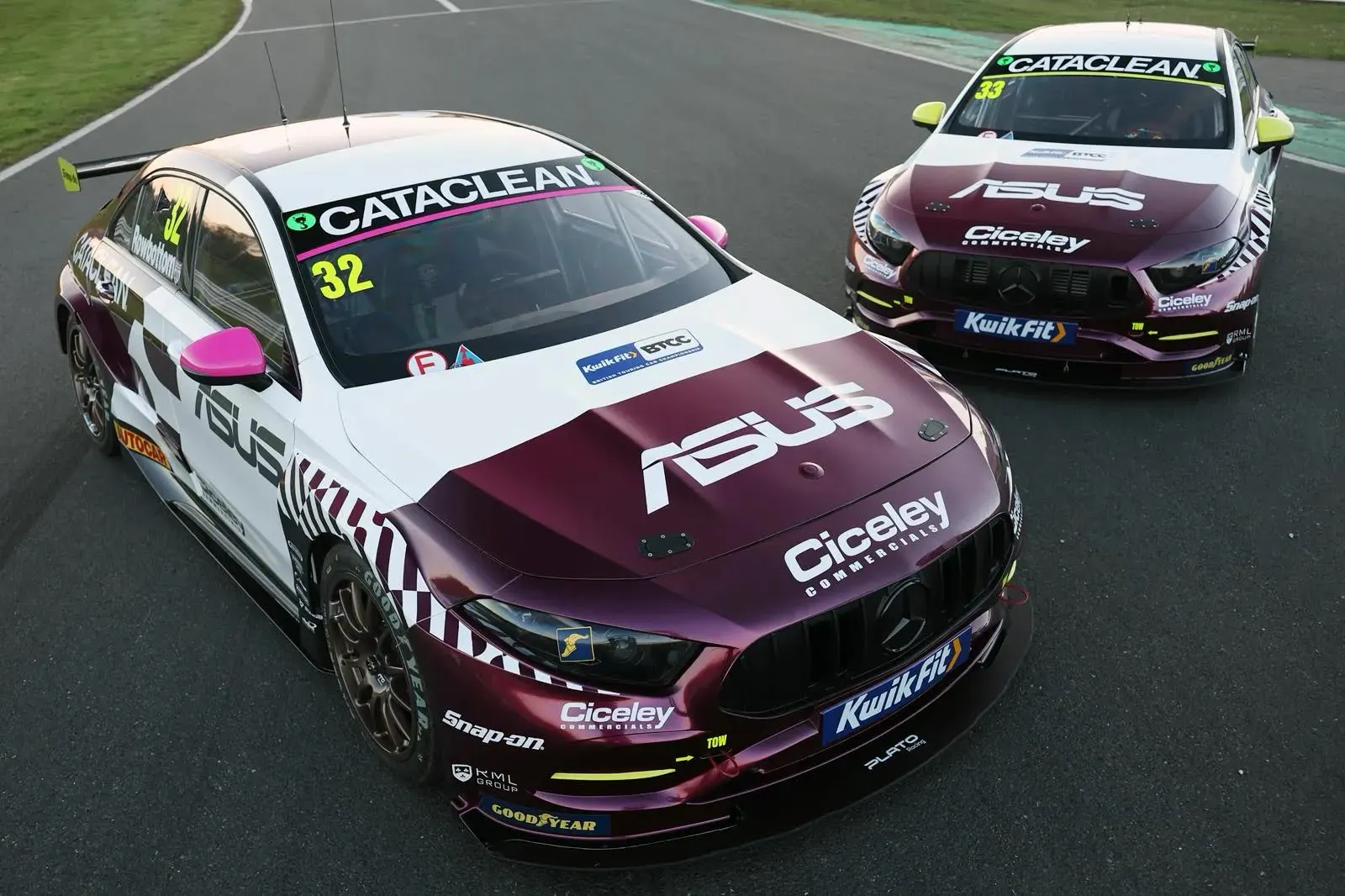
The business was founded by BTCC legend Jason Plato, who moved from driver to team principal and CEO. Plato Racing made its competitive debut in 2026 with two Mercedes-AMG A35 Saloons, driven by Daniel Rowbottom and Adam Morgan. The cars were designed and built in collaboration with RML Group.
The project required significant upfront investment in vehicles, engineering, personnel, facilities and racing infrastructure. However, Plato Racing had not yet reached the point of filing its first accounts, meaning its statutory turnover, assets, liabilities and profit or loss are not publicly available.
Find out more about the process of a company going into administration here.
Plato Racing entered administration, rather than liquidation or a winding-up petition, on 12 August 2026. The Gazette records the appointment of joint administrators James Varney and Simon Bonney of Arafino Advisory Limited.
The administration followed the registration of a floating charge in favour of Cataclean Global Limited on 30 March 2026. The charge remains recorded as outstanding at Companies House.
Administration gives insolvency practitioners an opportunity to assess whether the business or its assets can be rescued or sold as a going concern, potentially producing a better return for creditors than an immediate liquidation.
The precise cause of Plato Racing's financial distress has not been established publicly by the administrators, so buyers should distinguish confirmed facts from speculation.
What is clear is that the company attempted to establish a competitive BTCC team from scratch within a very short period. It invested in two purpose-built racing cars, specialist engineering, premises, personnel and the wider infrastructure required to compete at championship level.
That creates a classic high fixed-cost, capital-intensive business model. Motorsport teams also depend heavily on sponsorship, investment and commercial partnerships to fund expenditure that may not generate conventional recurring revenue.
The outstanding Cataclean floating charge is another important indicator of the company's financing structure. For a distressed buyer, the central question will be whether the underlying racing operation is commercially viable once its cost base and funding requirements are reset.
Plato Racing demonstrates why buyers should look beyond brand recognition and operational visibility when assessing a distressed business.
First, separate the brand from the balance sheet. A recognisable name, celebrity founder and valuable sporting position do not automatically mean the underlying company is profitable.
Second, examine the funding model. Buyers should establish how much capital is required to keep the operation running and whether sponsorship or other commercial income can realistically support that expenditure.
Third, investigate secured creditor positions before making an offer. The Cataclean floating charge could materially affect the assets available and the structure of any transaction.
Finally, assess whether the business can work under new ownership. Administration can create an opportunity to acquire valuable assets and relationships while removing or restructuring historic liabilities.
Is Plato Racing in administration?
Yes. Plato Racing Ltd entered administration on 12 August 2026.
What type of insolvency is this?
It is a corporate administration, not a liquidation or winding-up petition.
Can Plato Racing be bought?
An administrator may pursue a sale of the business or selected assets where this offers the best outcome for creditors. Buyers should await the administrators' sale process and conduct full due diligence.
What could make Plato Racing attractive to a buyer?
Potential assets include the racing cars, equipment, intellectual property, brand, commercial relationships, personnel and motorsport infrastructure.
What should buyers investigate first?
The priority areas should include creditor claims, the Cataclean charge, sponsorship commitments, contractual liabilities, asset ownership, racing licences, operating costs and the funding required to continue competing.
For buyers researching similar opportunities, Administration List’s insolvency search pages can also help identify distressed transport and logistics businesses entering formal insolvency procedures across the UK.