

MAH (Tyrone) Limited Enters Liquidation as Mellon Country Inn Goes to Market
Written by:
Published on:
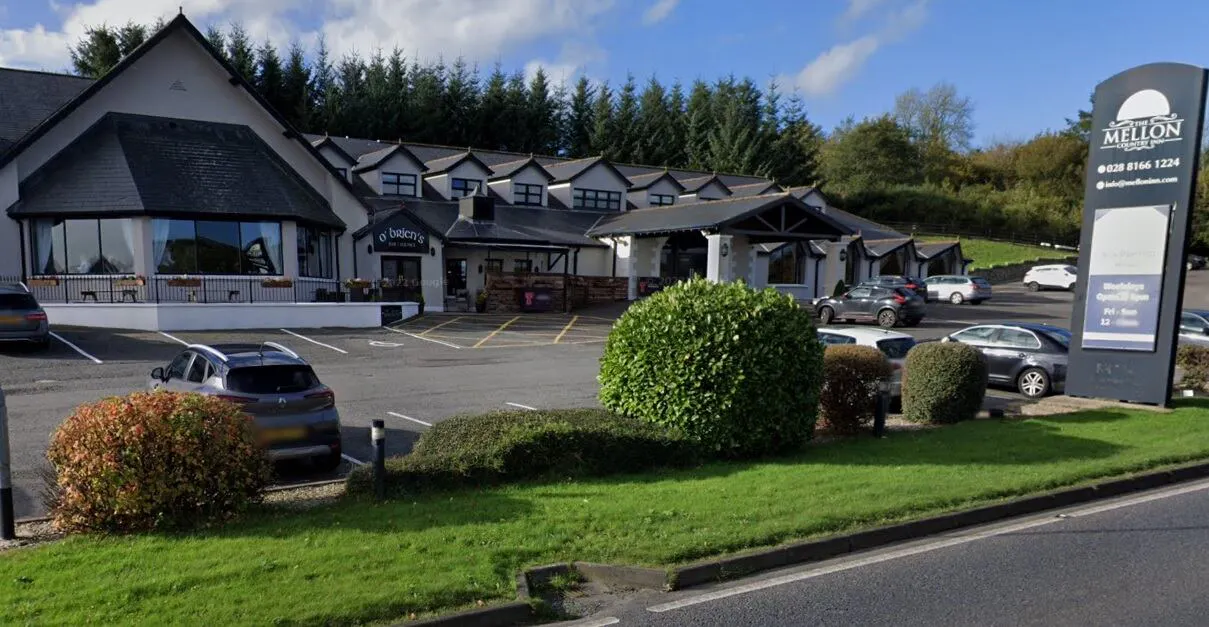
MAH (Tyrone) Limited, operator of the Mellon Country Inn near Omagh, has gone into creditors voluntary liquidation after a same-day Corporate Voluntary Arrangement failed to keep the business trading, with the liquidator now marketing the site to hospitality operators and developers alike.
MAH (Tyrone) Limited was incorporated on 30 September 2016 and traded from the Mellon Country Inn, a hotel and music venue on the outskirts of Omagh, County Tyrone. The venue is reported as one of the best-known hospitality destinations in Tyrone, with a history of hosting concerts, weddings and community gatherings, and strong brand recognition tied to its location. Company Voluntary Arrangement financials referenced in the case relate to the year to 28 February 2025, though detailed trading figures beyond the balance sheet position have not been disclosed. Fixed assets are reported at around £985,000, reflecting the value of the property and physical infrastructure, while current assets stood at slightly under £30,000 a gap that points to limited liquid working capital at the point of failure. Further operational detail, including staffing levels and recent trading performance, is not specified in the available reporting; parties requiring more detail should approach the liquidator directly.
Find out more about the process of a company going into liquidation here.
This is a creditors voluntary liquidation (CVL), a formal insolvency process in which a company's assets are realised and distributed to creditors under an appointed liquidator, typically bringing trading to an end rather than preserving the business as a going concern. Notably, Companies House records show a Corporate Voluntary Arrangement (CVA) a mechanism intended to let a company restructure debt while continuing to trade was appointed on the same date, 28 May 2025, as the CVL. The near-simultaneous appointment suggests the CVA proposal did not gain sufficient creditor support, or was quickly assessed as unworkable, before the company moved into liquidation. For buyers, this means the Mellon Country Inn is not being sold as an operating business with continuity of staff, contracts or bookings; it is an asset realisation. The liquidator has confirmed the site remains fully acquirable, with a formal sales process opening at the end of September 2025 and expressions of interest being invited in the meantime. Prospective buyers should contact the liquidator promptly to be included in that process rather than waiting for public listing.
The available facts point to a business that was asset-rich but severely cash-constrained. Fixed assets of roughly £985,000 sit against current assets of under £30,000, a profile consistent with a company unable to fund ongoing trading costs or a restructuring plan despite holding a valuable property. The same-day switch from CVA to CVL indicates the rescue attempt collapsed almost immediately, which may suggest creditors judged the underlying trading business unviable even with formal restructuring support on the table. Rural hospitality and events venues across Northern Ireland have faced sustained cost pressure in recent years energy inflation, rising wage and food costs, and more cautious consumer spending on weddings, concerts and social occasions all of which weigh disproportionately on venues dependent on discretionary bookings rather than repeat, everyday trade. This context is offered as sector background rather than a confirmed cause specific to MAH (Tyrone) Limited.
The commercial opportunity here sits predominantly in the property and brand rather than in a transferable operating business. Buyers should note four practical points. First, the liquidator has indicated the process will run competitively, with interest already reported from both hospitality operators looking to reopen the venue as a hotel and events destination, and developers assessing alternative uses such as residential conversion this dual interest means positioning and stated intent may influence how the liquidator weighs offers. Second, expect no continuity of staff, supplier agreements, licences or an existing bookings pipeline; these would need to be rebuilt post-acquisition, and hospitality bidders should factor a relaunch period into their valuation. Third, current assets of under £30,000 confirm minimal working capital is transferring with the site, so any reopening as a hotel or venue will require fresh capital beyond the purchase price. Fourth, any developer-led alternative-use strategy particularly residential conversion remains untested from a planning perspective, and achievable value should be modelled with that uncertainty in mind rather than assumed. The rapid CVA-to-CVL conversion is itself a useful diligence signal: it suggests creditors had limited confidence in a trading turnaround, reinforcing an asset-value rather than going-concern approach to any bid.
Yes. The liquidator, Darren Mcmath, is inviting expressions of interest ahead of a formal sales process expected to open at the end of September 2025. Both hospitality operators and developers have reportedly already shown interest.
This is a liquidation asset sale, not a going-concern business transfer. Based on the facts available, buyers should expect to acquire the property and brand recognition but not existing staff, bookings, supplier contracts or licences, which would need to be re-established.
Companies House records show a Corporate Voluntary Arrangement and a Creditors Voluntary Liquidation were both appointed on 28 May 2025, indicating the restructuring attempt did not hold. This may suggest creditors saw limited viability in continued trading, supporting a valuation approach based on asset and location value rather than projected trading income.
For buyers researching similar opportunities, Administration List’s insolvency search pages can also help identify distressed transport and logistics businesses entering formal insolvency procedures across the UK.