
G.M. Jones & Sons Limited Liquidation: What Led to the Collapse of a UK Food Supplier?
Written by:
Published on:
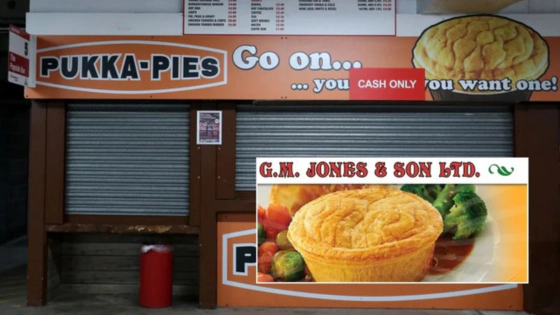
G.M. Jones & Sons Limited was a UK-based food manufacturing and supply business, primarily known for supplying products into the supply chain of Pukka Pies, a well-established name in the British savoury pastry market.
The company operated as part of the broader food production ecosystem, focusing on manufacturing and supply rather than direct-to-consumer retail. Businesses in this segment typically operate on tight margins, relying heavily on long-term contracts with major brands or distributors.
While full financial details are limited, companies in this category often face:
These structural dynamics can quickly create financial strain when costs rise faster than revenues.
G.M. Jones & Sons Limited entered liquidation, meaning the business ceased operations and its assets are being sold to repay creditors. Unlike administration, where restructuring or a sale as a going concern is explored, liquidation typically signals that recovery is no longer viable.
For creditors and stakeholders, this process prioritises:
The liquidation of a supplier within a major food supply chain can also create ripple effects, particularly if alternative suppliers are not readily available.
Several key factors likely contributed to the company’s collapse:
1. Cost Inflation
Food manufacturers have been heavily impacted by rising costs in:
If contracts with larger brands such as Pukka Pies were fixed or slow to adjust, margins would have been squeezed significantly.
2. Customer Concentration Risk
Heavy reliance on a limited number of clients increases vulnerability. Losing a contract or facing reduced order volumes can have an immediate and severe impact on cash flow.
3. Low-Margin Operating Model
Supply-chain manufacturers often operate with minimal profit buffers. Even small disruptions—such as delayed payments or cost spikes—can push the business into insolvency.
4. Broader Industry Pressures
The UK food production sector has faced ongoing challenges, including:
These external pressures have made it increasingly difficult for smaller suppliers to remain competitive.
1. Supplier Contracts Can Be Valuable Assets
Even in liquidation, contracts with recognised brands like Pukka Pies may hold significant value if transferable. Buyers should assess:
2. Evaluate Cost Structures Carefully
Acquiring a distressed manufacturer requires a deep dive into:
Without cost restructuring, the same issues may persist post-acquisition.
3. Diversification Is Critical
A key takeaway is the importance of customer diversification. Buyers should prioritise businesses that:
4. Look for Operational Turnaround Opportunities
Distressed assets may still offer value through:
1. What industry does G.M. Jones & Sons operate in?
The company operates in the food manufacturing and supply chain industry, supporting larger consumer brands.
2. Why is this liquidation significant?
It highlights the fragility of smaller suppliers within large-scale food production ecosystems, especially under cost pressure.
3. Are there acquisition opportunities?
Yes. Buyers may find value in:
4. What risks should buyers consider?
Key risks include:
5. Could the business have been saved?
Potentially, through restructuring or contract renegotiation. However, liquidation suggests these options were no longer viable.