
European Cargo enters Administration
Written by:
Published on:
European Cargo was a UK-based freight airline headquartered at Bournemouth International Airport, operating specialist cargo routes across Europe and Asia. Founded during the Covid-era air freight boom, the company gained recognition for transporting PPE into the UK and later expanded into scheduled cargo services between the UK and China.
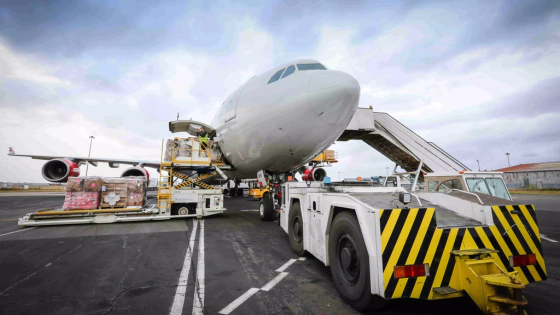
The airline carved out a niche by converting former passenger Airbus A340-600 aircraft into freighters. While this strategy gave European Cargo access to relatively low-cost aircraft with significant carrying capacity, the four-engine fleet also came with considerably higher fuel and maintenance costs than newer twin-engine cargo aircraft.
Financially, the business showed signs of strain before the administration. Reports indicate that in 2024, European Cargo generated approximately $136.3 million in revenue but recorded a net loss of around $26.1 million, following a previous annual loss exceeding $30 million. The company also carried significant liabilities and remained dependent on shareholder backing to sustain operations.
Find out more about the process of a company going into administration here.
European Cargo formally entered administration on 3 June 2026, with restructuring specialists appointed to oversee the process. The airline ceased trading immediately, grounding its fleet and disrupting cargo services from Bournemouth and Teesside airports. Approximately 178 employees were made redundant, marking a major setback for regional aviation employment.
The administration came as a surprise to some industry observers, particularly as the airline had recently expanded operations, added routes into China, and strengthened activity from Teesside International Airport. However, flight-tracking data suggested operations had already slowed significantly in May, weeks before the formal insolvency announcement.
For Bournemouth Airport, European Cargo had become a significant freight operator, making the collapse particularly notable for the local aviation ecosystem.
Several factors appear to have contributed to European Cargo’s financial collapse.
1. High Fuel Costs and Inefficient Fleet
A major challenge was the economics of operating a fleet of ageing four-engine Airbus A340 freighters. As fuel prices rose, operating costs increased sharply, making profitability difficult in a highly competitive cargo market. Industry analysts have highlighted that many competitors operate more fuel-efficient twin-engine aircraft, giving them a structural cost advantage.
2. Reduced Flying Activity
Administrators cited a decline in flying activity as a direct factor in the airline’s distress. Cargo demand fluctuations and changing freight patterns appear to have affected route profitability and aircraft utilisation.
3. Working Capital Pressure
Like many logistics businesses, European Cargo faced cash flow challenges. High operating costs, aircraft financing obligations, and the need to maintain liquidity likely placed growing pressure on the business. Reports suggest refinancing efforts took place shortly before the collapse, signalling deeper financial strain.
4. Customer Concentration Risk
Industry commentary suggests European Cargo may have relied heavily on a narrow customer base, particularly within China-focused e-commerce cargo programmes. A lack of diversification can expose businesses to sudden revenue disruption when key clients reduce activity or renegotiate terms.
For distressed business buyers, European Cargo offers several important lessons:
Interested in more distressed business case studies? Explore how sector-specific insolvencies are reshaping acquisition opportunities across UK aviation, retail, and logistics.
Why did European Cargo go into administration in 2026?
European Cargo entered administration due to a combination of rising fuel costs, reduced flying activity, working capital pressure, and sustained financial losses.
How many jobs were lost?
Approximately 178 jobs were lost following the airline’s collapse.
What aircraft did European Cargo operate?
The airline primarily operated converted Airbus A340-600 freighters, known for high cargo capacity but also higher fuel consumption.
Could European Cargo be acquired out of administration?
Potentially, yes. Strategic buyers may evaluate aircraft assets, operating licences, cargo contracts, or airport relationships, depending on how the administration process develops.