

Cue Clothing Co Enters Receivership and Voluntary Administration
Written by:
Published on:
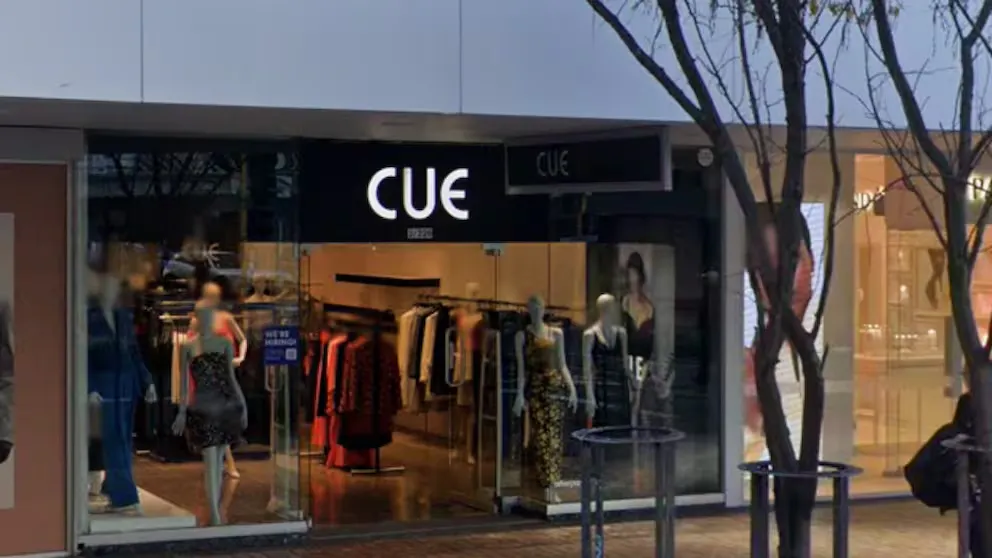
Cue Clothing Co, the long-running Australian owner of the Cue and Veronika Maine womenswear labels, has fallen into receivership and voluntary administration after a pre-appointment sale process by owner Hilco failed to find a buyer, with FTI Consulting and BDO now overseeing continued trading and a fresh going-concern sale process.
Cue Clothing Co is reported to trace its Cue brand back to 1968, with the Veronika Maine label added to the portfolio later. The group operates 51 stores across Australia, including a presence in Sydney's Strand Arcade, alongside four New Zealand outlets standalone shops in Newmarket and Onehunga (Auckland) and Wellington, plus a concession inside Ballantynes in Christchurch. The brands are also sold wholesale through dozens of Myer and David Jones department stores, and the group runs an online store currently offering 25 per cent off storewide. According to reporting, the chief executive had resigned before the administration was announced. Detailed financial disclosures for the group are not publicly available at this stage; acquisition professionals seeking granular trading data, lease terms or headcount should approach the receivers and administrators directly rather than rely on media reporting.
Find out more about the process of a company going into administration here.
The group is now subject to two parallel but related processes: receivership, in which FTI Consulting has been appointed as receivers and managers, and voluntary administration, with BDO acting as administrators. In practical terms, receivership is typically initiated by a secured lender seeking to recover funds against specific assets, while administration is a company-led (or creditor-led) process aimed at rescuing the business or maximising returns for creditors the two can run together where a lender and the company's board both need formal cover. The receivers have stated they are continuing to trade the business while assessing restructuring options, and a sale process for the business as a going concern has begun immediately, with stores in both Australia and New Zealand still open. For a buyer, this means the brands, store leases, wholesale arrangements and stock are still live and transactable but the position is fluid, and any approach should be made promptly and directly to FTI Consulting or BDO before store closures or lease disclaimers narrow the available footprint.
The receivers have stated that despite increased sales and other improvements across the group, these gains were insufficient to mitigate the impact of overhead costs currently in the business a signal of a cost-base problem rather than a pure sales collapse. This sits against a broader reported decline in New Zealand clothing and apparel spending, including a cited 2.5 per cent year-on-year fall in apparel spend that undercut hopes of a sector turning point. Commentary in the reporting suggests any recovery in discretionary apparel spending is likely to be gradual, tied to improvement in the jobs market and easing inflation, rather than imminent. The chief executive's resignation ahead of the formal appointment, and the failure of Hilco's August 2026 attempt to sell the Cue and Veronika Maine brands before receivers were called in, both point to a business whose underlying cost structure rather than brand demand needed resetting.
A buyer here is not acquiring a distressed or unknown label but two established Australasian womenswear brands with an existing 51-store Australian network, a four-store New Zealand presence, and wholesale-style distribution through Myer and David Jones a footprint that took decades to build. Because the receivers are continuing to trade while assessing restructuring options, a going-concern sale allows a buyer to negotiate for some or all of this network, potentially after receivership has already stripped out unviable stores and renegotiated occupancy costs, directly addressing the overhead issue the receivers cited as the core problem. The timing is relevant: the business is heading into the summer trading period on which many stores rely to sustain quieter months later in the year, so a buyer able to move quickly could capture the more favourable part of the trading calendar. The fact that Hilco's pre-appointment sale process attracted no buyer, only for a fresh going-concern process to open immediately post-appointment, suggests the market may have been waiting for the formal insolvency tools lease disclaimers, cost resets to make the deal commercially workable.
Yes. The receivers have confirmed they are continuing to trade the business while assessing restructuring options, and stores across the 51-outlet Australian network and four New Zealand outlets, including the Ballantynes concession in Christchurch, remain open.
A new sale process for the business as a going concern has begun immediately following the appointment of FTI Consulting and BDO, despite Hilco's August 2026 attempt to sell the brands not producing a buyer beforehand. Interested parties should contact the receivers or administrators directly, as the earlier failed process does not preclude a transaction under the current insolvency framework.
The receivers' own statement that sales improvements did not offset overhead costs suggests cost structure, not just consumer demand, is the binding constraint for retailers of this scale. Combined with reporting of softer New Zealand apparel spending and only a gradual expected recovery, this points to continued pressure on multi-store, multi-country apparel groups carrying legacy occupancy costs, and to insolvency processes increasingly being used to reset that cost base before a sale can succeed.
For buyers researching similar opportunities, Administration List’s insolvency search pages can also help identify distressed transport and logistics businesses entering formal insolvency procedures across the UK.