
La Garrigue: What the Liquidation of an Acclaimed French Restaurant in Edinburgh Means for Distressed Buyers
Written by:
Published on:
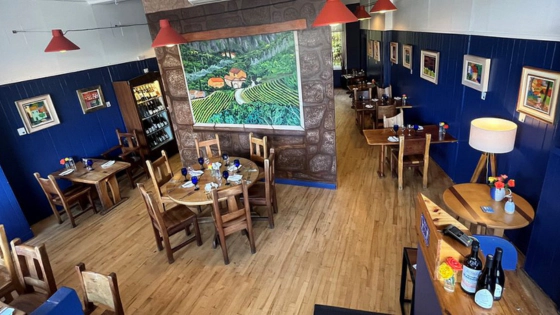
La Garrigue was a respected French restaurant in Edinburgh known for its Provençal-style cuisine and authentic regional French dishes. The venue built a loyal following over the years, positioning itself as a destination for diners seeking traditional French gastronomy rather than casual bistro fare.
The restaurant operated in Edinburgh’s central dining district, benefiting from both local clientele and tourism. Its menu focused on classic dishes such as cassoulet, duck confit, and regional wines, giving it a strong niche identity within the city’s restaurant scene.
However, like many independent hospitality businesses, La Garrigue faced structural limitations in its financial model. Unlike multi-site restaurant groups, single-location restaurants have limited economies of scale when it comes to procurement, marketing, and staffing. As costs increased across the UK hospitality industry, maintaining profitability became increasingly difficult.
Across the wider sector, hospitality operators have reported rising operational expenses driven by labour costs, tax changes, and supply chain disruptions. In some cases, operators cited a “perfect storm” of cost pressures that significantly eroded margins in the hospitality market.
For an independent restaurant such as La Garrigue, even small shifts in operating costs could significantly impact profitability, particularly when combined with fluctuating customer demand.
La Garrigue ultimately entered liquidation, meaning the business ceased trading and its assets were sold to repay creditors. Unlike administration—where businesses may continue operating while restructuring—liquidation typically indicates that the company cannot realistically recover financially.
The closure marked the end of one of Edinburgh’s long-standing French dining establishments. Staff roles were impacted and the restaurant’s assets, including kitchen equipment and potentially intellectual property such as branding, became part of the liquidation process.
The case reflects a broader trend within the UK hospitality sector. Many independent venues are struggling to survive amid rising operating costs and shifting consumer behaviour, with industry data showing a growing number of closures across restaurants, pubs, and bars.
Several structural and market factors likely contributed to La Garrigue’s liquidation.
1. Rising Operating Costs
Restaurants have been hit particularly hard by increases in food prices, energy costs, and wages. Labour expenses have increased significantly across the UK hospitality sector, while ingredient costs—especially imported products like wine and specialty produce—have risen due to inflation and supply chain disruptions.
2. Limited Economies of Scale
Independent restaurants typically operate with tighter margins than multi-location chains. Without the ability to negotiate large supplier discounts or spread overhead across multiple venues, cost increases are felt more acutely.
3. Changing Consumer Spending
Consumer behaviour in dining has shifted in recent years. Economic uncertainty has led many diners to reduce discretionary spending on premium dining experiences, favouring casual or fast-casual alternatives.
4. Competitive Hospitality Landscape
Edinburgh’s restaurant scene is highly competitive, with new venues regularly entering the market. Maintaining consistent footfall in such an environment requires continuous marketing investment and menu innovation.
5. Structural Industry Pressure
Across the UK hospitality sector, operators continue to face mounting regulatory and cost pressures that compress margins and increase the likelihood of insolvency.
The liquidation of La Garrigue offers several insights for investors looking at distressed hospitality opportunities.
1. Brand Equity Can Outlive the Business
Even though the operating company has closed, the La Garrigue brand still carries recognition among Edinburgh diners. Buyers could potentially relaunch the concept under new ownership.
2. Location Value Matters
Restaurant properties in high-footfall areas often hold significant value, particularly if leases are transferable or renegotiable.
3. Concept Adaptation Is Key
Fine-dining formats are increasingly vulnerable during economic downturns. Buyers may need to reposition concepts toward casual dining, experiential dining, or hybrid models.
4. Operational Efficiency Drives Survival
The most resilient hospitality groups are those with multiple revenue streams—such as takeaway, events, or retail food products.
5. Timing Creates Opportunity
Economic pressure across the sector is creating opportunities for buyers to acquire established brands or prime locations at reduced valuations.
Why would a distressed restaurant still be attractive to investors?
Established restaurants often have valuable intangible assets including brand recognition, customer loyalty, supplier relationships, and a prime location.
Can a restaurant brand be revived after liquidation?
Yes. Many restaurant concepts have been successfully revived under new ownership through rebranding, operational restructuring, or repositioning within the market.
What should buyers analyse before acquiring a distressed restaurant?
Key factors include lease terms, kitchen equipment value, brand equity, customer demographics, and local competition.
Is the UK hospitality sector expected to see more closures?
Yes. Rising costs and shifting consumer habits suggest further consolidation and restructuring across the restaurant industry.
Where can buyers find similar distressed opportunities?
Platforms like Administration List track UK administrations, liquidations, and restructuring events, helping investors identify acquisition opportunities across hospitality and other sectors.