
UK Hospitality Insolvencies Hit New High – July 2025
Written by:
Published on:
The current state of financial distress in the UK’s hospitality sector can be described as even worse than the pandemic shutdowns, signalling that many are facing a collapse that could ripple far beyond the sector itself. Even the traditional summer uplift has failed to provide relief.
Key Takeaways
Amid economic uncertainty, early visibility is everything. Stay ahead of the curve by accessing real-time manufacturing insolvency data and off-market acquisition leads before your competitors. Track live acquisition opportunities at Administration List.
For anyone who’s been listening, the crisis unfolding across the UK’s hospitality sector was entirely predictable. Industry veterans have been sounding the alarm since last autumn, warning that a perfect storm of rising costs, relentless tax pressure, and a post-pandemic consumer slump was coming to a head. Now, we’re seeing those warnings play out in real time.
The latest insolvency figures reveal a fresh spike in distress for the UK’s hospitality sector. Accommodation and food service businesses saw insolvencies rise by 6% between April and May 2025, climbing from 277 to 295 cases and marking the highest monthly total since November last year. Compared to May 2024, that’s a 4% increase, underscoring the deepening pressure on the sector.
The surge in financial distress reflects broader signs of stress across the sector, from falling payroll numbers to stagnant trade. This time, even the summer season has offered little respite. The latest labour market figures confirm what many feared but few in government seemed willing to act on: unemployment in the sector is now at its highest since 2021. Job vacancies have shrunk for the third quarter in a row. The hospitality industry accounts for the largest slice of job losses nationwide. It’s no longer a trend. It’s a reckoning.
Insolvency data from June 2025 underscores the scale of collapse. A wave of closures swept through pubs, restaurants, hotels, and catering firms, with close to 200 businesses folding in just one month. We tracked a total of 192 insolvencies on our platform – 4 administrations, 162 liquidations and 32 winding up petitions. That brings the industry dangerously close to a breaking point, with many operators describing this as worse than the pandemic-era shutdowns.
The fallout from April’s £3.4bn surge in operating costs is no longer theoretical. It is now showing up in balance sheets across the UK’s hospitality sector. Pubs, bars, restaurants, and hotels are under intense financial strain. A new industry-wide survey has also revealed that one in three are now operating at a loss. This is an 11-point jump from the previous quarter. It’s more than just a seasonal dip or a post-pandemic hangover, it points towards a deeper structural crisis.
Sharp rises in employer National Insurance that have recently come in place, coupled with revised business rates have delivered a one-two punch at a time when many small businesses were just beginning to stabilise. For pubs, restaurants and hotels already walking a financial tightrope, these added pressures have pushed them into the red. With margins razor-thin and costs rising faster than revenue, the traditional levers of recovery like price increases or cost-cutting are no longer enough.
What’s more troubling is what this trend signals: a growing number of hospitality businesses are now not just unprofitable, they’re unsustainable. This isn’t about slow trade or poor management. It’s about a business environment that’s become fundamentally hostile to one of the UK’s largest employment sectors. And unless action is taken soon, closures and job losses will only accelerate.
The sharp rise in winding-up petitions across the UK hospitality sector signals a deepening crisis that goes beyond typical business struggles. Unlike administration, which often allows time for a structured turnaround or sale, winding-up petitions indicate creditors, particularly HMRC, have lost patience and are forcing businesses into compulsory liquidation.
This shift suggests more hospitality operators are not only failing to meet obligations but have also exhausted all options for recovery. It reflects a move from distress to terminal decline, with creditors taking aggressive legal action rather than waiting for repayment. For investors in distressed businesses, this trend points to a shrinking window of opportunity to acquire trading entities through administration and a growing pipeline of asset-only deals as equipment, leases, and stock are sold off at liquidation value. For businesses, timely intervention may help prevent the company from reaching insolvency, providing a better chance for successful turnaround and continued operation.
The news of two well established restaurant businesses has come to light this week. These include:
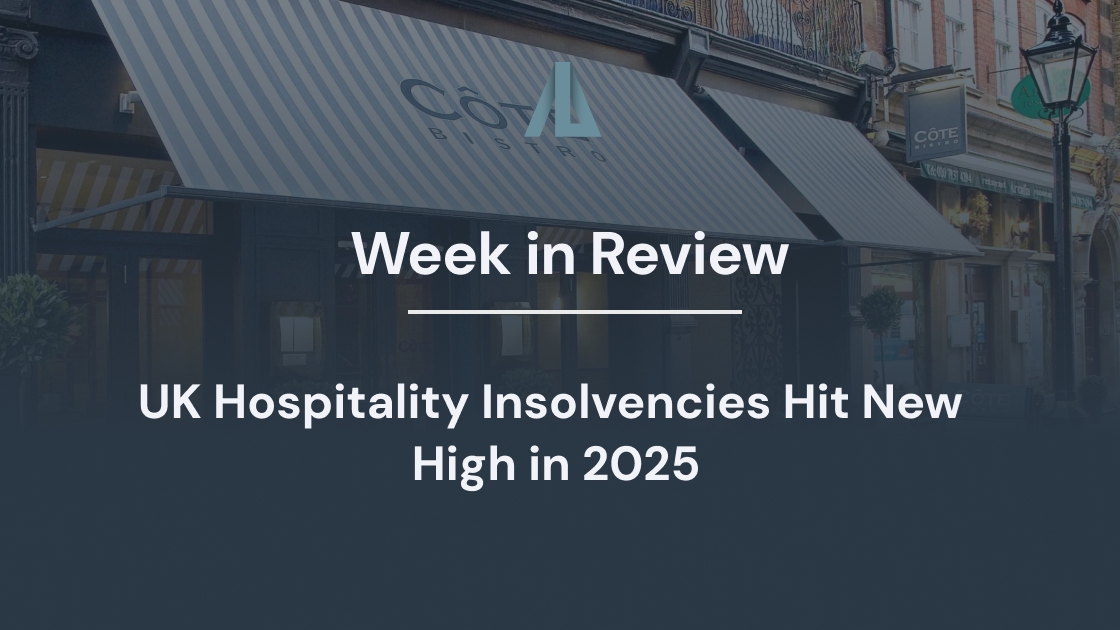
Cote Brasserie: Swiss private equity firm Partners Group is quietly exploring a sale of Cote Brasserie, the upmarket casual dining chain it acquired out of administration in 2020 for a reported £55 million. Partners Group has engaged Interpath Advisory to lead the search for fresh investors, with the company reportedly being marketed on the strength of over £150 million in turnover last year.
Cote currently operates more than 70 restaurants across the UK, significantly down from the nearly 100 sites it ran prior to its collapse five years ago. Sources close to the process suggest that around 60 of those locations remain profitable, hinting that further closures could be on the table to streamline the portfolio ahead of a sale.
The move comes amid renewed financial pressure in the hospitality sector, with operators facing rising costs and reduced consumer spending. UK Hospitality has warned of an impending wave of job losses unless the government reconsiders its fiscal stance. CEO Kate Nicholls has cautioned that up to 200,000 jobs could be lost over the next year due to higher employer National Insurance contributions and growing uncertainty among consumers.
Ping Pong Restaurant: Popular dim sum restaurant Ping Pong has permanently closed all its remaining locations, bringing an end to two decades of operation.
Founded in 2005, Ping Pong once operated 12 restaurants across London in bustling areas such as Southbank, Soho, St. Christopher’s Place, and St. Paul’s. However, the chain has now announced that its last outlets have ceased trading for good. The restaurant’s founder cited the challenging economic climate as a key factor in its closure.
According to Companies House, Ping Pong Ltd’s holding company entered administration in November 2022, just two months after reporting a £344,000 pre-tax profit for the year ending March 27 that same year. The business was sold to AJT Dimsum via a “pre-pack” administration deal, with six restaurants and their staff transferred to the new owners.
Despite returning to profitability, Ping Pong had accumulated crippling debts during the pandemic, particularly to landlords, which it could not repay. The administration process has been extended twice over 12-month periods, with administrators at Begbies Traynor indicating in June that a further extension may be necessary.
Read more about how to successfully turn around a struggling business
What to read next:
External Sources: