
Balibaris Boutique: Insolvency Analysis & Strategic Lessons for Distressed Buyers
Written by:
Published on:
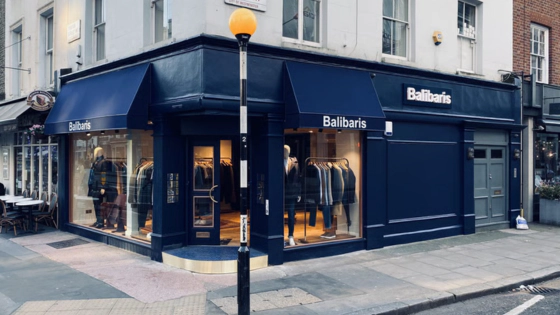
Balibaris Boutique operated as a premium fashion retail business focused on curated apparel and lifestyle products aimed at style-conscious consumers. The brand positioned itself within the boutique segment — a market valued for personalization, exclusivity, and experiential shopping.
Like many boutique retailers, Balibaris relied heavily on:
However, financial strain began to emerge as operating expenses rose faster than revenue growth. Rent commitments, staffing costs, and supply-chain fluctuations started to compress margins. The business was particularly exposed to fluctuations in consumer confidence, as discretionary spending tends to decline during periods of economic uncertainty.
This mirrors broader patterns seen in UK hospitality and retail distress, where rising operational costs and liquidity pressures have triggered administrations even among well-known consumer brands.
Balibaris Boutique ultimately entered insolvency following mounting cash-flow challenges and declining profitability. Insolvency practitioners were appointed to assess viable options, including restructuring, asset sales, or acquisition by strategic buyers.
The administration process typically aims to:
In similar recent cases across the retail and hospitality sector, administrators have pursued split-sale or pre-pack rescue strategies to preserve stronger assets while closing underperforming locations.
For Balibaris, the key focus became stabilizing operations long enough to attract buyers interested in:
Several interconnected factors contributed to Balibaris Boutique’s decline:
1. Rising Operating Costs
Inflationary pressures increased rent, utilities, and staffing costs. Boutique businesses often have less negotiating power compared to larger retail chains, making cost absorption difficult.
2. Changing Consumer Behaviour
Consumers increasingly shifted to online shopping and value-led purchasing. Premium boutique brands that relied heavily on physical footfall experienced reduced sales volumes.
3. Inventory Pressure
Fashion retail is heavily inventory-dependent. Unsold seasonal stock ties up cash and increases markdown risk, creating liquidity challenges.
4. High Fixed-Cost Model
Balibaris maintained premium locations that came with high overheads. In slow trading periods, fixed costs continued to erode profitability regardless of sales performance.
5. Liquidity Constraints
As seen across other industries facing administration, liquidity squeezes often accelerate insolvency once cash reserves can no longer support operating liabilities.
For strategic buyers and investors, Balibaris Boutique highlights several important acquisition lessons:
1. Brand Equity Can Outlive the Business Structure
Even distressed boutique brands may retain strong consumer recognition and loyal followings. Buyers can leverage brand goodwill without inheriting historical debt.
2. Lease Value Matters
Prime retail locations, especially in high-footfall areas, can be a valuable asset in distressed acquisitions if renegotiated effectively.
3. Digital Transformation Is Critical
Buyers should evaluate whether the brand can transition towards a more scalable online model to reduce reliance on physical retail exposure.
4. Operational Streamlining Creates Immediate Gains
Reducing SKU complexity, renegotiating supplier contracts, and optimizing staffing models can quickly improve margins post-acquisition.
5. Distressed Retail Is Becoming a Consolidation Play
Similar to hospitality sector consolidations, well-capitalized operators are increasingly acquiring distressed boutique brands as a cost-effective growth strategy.
Why would a buyer acquire a distressed boutique brand?
Because acquisition costs are lower, and buyers can obtain established brand recognition, existing customer relationships, and physical assets without starting from scratch.
What risks should buyers watch for?
Key risks include outdated inventory, lease obligations, and overestimated brand loyalty without a strong digital strategy.
Can boutique fashion brands recover after insolvency?
Yes — many boutique brands survive through restructuring, repositioning, or integration into larger retail groups with stronger operational frameworks.
Is this part of a wider retail trend?
Absolutely. Rising costs, inflation, and shifting shopping behaviour continue to drive distress across independent and mid-market retail businesses, creating ongoing M&A opportunities.
How can buyers find similar opportunities?
Monitoring administration listings and insolvency filings provides early visibility into brands entering distressed phases and available acquisition opportunities.