
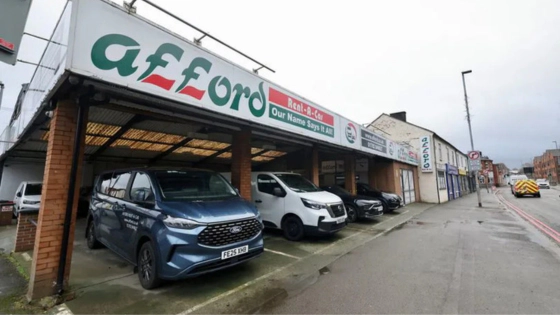
Midlands Vehicle Rental Operator Afford Rent-a-Car Enters Insolvency
Written by:
Published on:
Afford Rent-a-Car operated as a regional vehicle rental provider across the Midlands, supplying short-term hire vehicles to individuals, local businesses, and insurance replacement customers. The company’s model relied heavily on maintaining a financed fleet of cars and vans, generating revenue through daily and weekly hire agreements.
Like many independent rental operators, Afford Rent-a-Car faced a capital-intensive structure. Fleet acquisition typically involves leasing or financing agreements secured against vehicles, meaning profitability depends on high utilisation rates and stable residual vehicle values.
In the post-pandemic environment, used vehicle prices initially surged due to supply shortages. However, volatility in residual values, coupled with rising interest rates, increased the cost of maintaining and refinancing fleet stock. When utilisation rates soften—even slightly—cash flow can tighten quickly in asset-heavy businesses like car rental.
While full financial statements will provide clearer insight, early indications suggest that a combination of rising borrowing costs, insurance inflation, and operating expenses materially weakened liquidity.
Afford Rent-a-Car entered a formal insolvency process following sustained financial pressure. As seen in similar UK restructurings, administrators are typically appointed to protect creditor interests and preserve value where possible.
In administration cases, the objective is often one of three outcomes:
The structure mirrors broader trends seen in other sectors. For example, in the recent administration of Revel Collective plc, administrators pursued a split-sale strategy to preserve viable operations while closing underperforming sites
That case highlights how insolvency can serve as a reset mechanism rather than a full shutdown.
For Afford Rent-a-Car, administrators will likely assess:
1. Fleet Financing Costs
Vehicle rental businesses rely on debt-backed fleet acquisition. With interest rates elevated, refinancing became significantly more expensive. Monthly repayment increases can rapidly erode already tight operating margins.
2. Insurance and Claims Inflation
Motor insurance premiums have risen sharply across the UK. For rental operators, claims frequency and repair costs further amplify expense volatility.
3. Residual Value Risk
The rental model depends on predictable resale values. Any correction in used vehicle pricing impacts balance sheet recovery assumptions.
4. Competitive Pressure
National operators benefit from scale purchasing power, diversified locations, and corporate contracts. Meanwhile, mobility platforms and flexible subscription services continue to shift consumer expectations.
5. Liquidity Squeeze
As seen in other sectors, once working capital tightens, insolvency can become the only viable path to protect creditor interests and manage secured debt exposure.
For strategic acquirers and turnaround specialists, cases like Afford Rent-a-Car present targeted opportunities.
Fleet Arbitrage Potential
If acquired at the right price, vehicle fleets can offer short-term monetisation through resale or redeployment into stronger regional networks.
Brand and Local Market Penetration
Established regional operators often maintain loyal B2B customers—body shops, insurers, SMEs—that larger brands may struggle to penetrate organically.
Lease and Property Rationalisation
Reviewing depot leases and consolidating sites can significantly improve margin profiles post-acquisition.
Asset-Light Pivot
Buyers may consider transitioning toward a leaner fleet model—reducing owned assets and increasing brokered or partnership-based supply.
As demonstrated in the hospitality sector restructuring referenced above, insolvency often allows buyers to acquire brand infrastructure without inheriting historic debt liabilities
What assets are typically recoverable in a vehicle rental insolvency?
Fleet vehicles, customer databases, active rental contracts, depot equipment, and trading names are primary value components.
Are finance providers likely to enforce quickly?
Yes. Secured lenders with charges over fleet assets often move rapidly to preserve collateral value.
Is TUPE relevant in a going-concern sale?
If the business or part of it is sold as a going concern, employee transfer regulations may apply.
Is consolidation likely in the UK vehicle rental sector?
Yes. Similar to trends observed across UK hospitality and retail, well-capitalised operators are positioned to acquire regional independents at discounted valuations.
Where can buyers find similar distressed transport assets?
Platforms such as Administration List provide real-time alerts on administrations, winding-up petitions, and restructuring appointments across the transport and mobility sectors.